Welcome to Planted Aquarium: One-stop Destination for Aquarium Lovers! This blog is dedicated to collecting, archiving, and sharing the most informative articles related to freshwater aquariums on the net. Our goal is to be the one-stop site for all the enthusiastic aquarists out there in search for information on creating, maintaining, and enjoying your aquarium. Whether it be about fish, shrimps, and even oddballs, we have it all. Due to the fact that Planted Aquarium is a blog, valuable information gets buried down deeper as new posts are added, please use the search feature to the right should you not find the information you need. Also you may request information if it has not been covered here, we will see to it that it is added. Enjoy your stay here, getting information has never been easier!
Showing posts with label Maintenance. Show all posts

Monday, February 6, 2012

How to Take Care of Betta Fish

by: Mike Hickmon


Betta fish, also known as Betta Splendens and Siamese fighting fish can be popular pets because they are friendly, interactive and can have low costs for maintenance and care. Betta fish can live for up to four years and there are some simple steps that you can follow in how to take care of betta fish so that your fish will stay happy and healthy and with you for a long time.

Before you purchase a betta fish, an important point to remember in how to take care of betta fish is what equipment that you will need to make sure that your betta fish remains healthy. You will need:

1. A 5-10 gallon fish tank
2. A filter
3. A heater
4. Water conditioner such as chlorine
5. A fish net
6. Betta fish food which is high in protein
7. Smooth stones or gravel which cover the bottom of the tank
8. Ornaments to decorate your tank as well as places for betta fish to rest on so that they do not drag their fins on the bottom of the tank and leave them prone to fin rot.

Once you have all of these items, then you are now ready to know how to take care of betta fish. The first important step in how to take care of betta fish is to prepare the home of your betta fish and you should take some of these points into consideration:

When choosing a home, you should remember that in the wild betas come from Thai rice paddies and they are capable of living in quite shallow but spacious environments. When choosing a tank for your betta, you should remember to give your fish a good sized tank to help prolong life expectancy and more water is obviously better. If you are keeping your betta fish with other fish then you should use a tank which holds at least ten gallons of water. And remember- larger fish tanks will enhance the betta’s quality of life.

You should also decorate your betta fish tank and you should remember that one of the betta’s better known features is that it can breathe oxygen in the air and the water so you do not need to worry about aeration. You should decorate the tank with colored stones or gravel, silk plants and even a cave structure so that the betta can hide, remember the more creative the living space the happier the betta will be. Add a filter and a small heater to take care of betta fish. 


__________

About The Author
The author has created a review site that provides you with the most in-depth and complete analysis of the best care of betta fish guide called Caring for Betta Fish.

http://pet-whisperer.com/Betta-Lovers-Guide-Review.html

Saturday, October 15, 2011

Make Your Freshwater Aquarium Maintenance Fun

 by: Rozlyn Rozberry


Keeping Your Aquarium Clean

A Lot owners find that setting up their freshwater aquarium was the easy part, the maintenance to keep it running is the challenge! They have it up, but oh my, there are problems presenting themselves that they just didn't expect!

Junk Floating In Your Aquarium?

Tired of dirty water? Well believe me, your fish don't care for it either!

If you want low maintenance, consider a power filter, it does a great job removing drifting particles. Using chemicals, a good power filter will also reduce common impurities, discoloration and smells.

Aside from swapping out the filter cartridges every 3-4 weeks, which should take about 5 minutes, you will need to take an extra 10-15 minutes every few months on a detail cleaning of the filter interior. With the filter cartridges normally being throw away, all the tedious cleaning is eliminated.


Photo by Kedza 
Algae

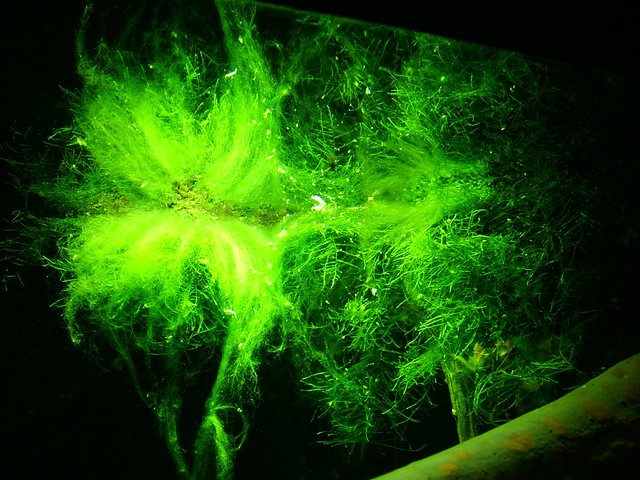
Very little will mar a gorgeous tank faster than green algae growing in, on and around everything inside your aquarium.

If you're looking for a quick solution, consider a Plecostomus. At best, this fish could be considered "handsome", but it can put a dent in your algae growth. On the plus side, the Plecostomus has a fantastic personality!

Of course, you can always remove the algae by hand. Even if you do have algae eaters in your tank, there will inevitably be some amount of hand cleanup required. There are some great tools on the market today that will aid you in this endeavor.

Remember that algae thrives in sunlight! You can get away with placing your aquarium by a widow with daylight exposure, just not sunlight; unless of course you are intending to grow algae.

Strong Scents?

Powerful smells emanating from your tank are dangerous to your fish, clean your filter more often if this is an issue. They simply can't live in that sort of environment.

Unclear Water?

There can be many reasons for this, overfeeding is the usual culprit. Your fish ought to be fed no more than 2-3 times each day, adjust the quantity being fed so that it is consumed in 3-5 minutes. This should eliminate the problem.

If it does not, try using bottled drinking water or distilled water. Look in your neighborhood grocery store, you should find it for around 50-70 cents per gallon.
Photo by Jason Sholar 

Prepare for Your Water Changes

Every two weeks is fine if you are not having water quality problems, if you have a heavy fish load, plan on removing 20% of your water every week with a siphon or gravel cleaner. Any clean hose will work but we prefer gravel cleaners since you can remove detritus from the bottom of your tank while siphoning off the water.

Once your hose is primed, put one end in a bucket, only fill about 3/4 full.

Once you have your 20% removed, just fill the tank back up with prepared water. Depending on the size and setup of your tank, you will need an extra 45-60 minutes once a month to do some extra cleaning, one of the less glamorous chores.

The interior walls of the tank will need to be gently scrubbed, you can pick up sponges and scrapers at your pet supply store, just be sure you get ones that are safe for your tank.

Periodically remove your decorations and soak them in hot water with a bit of salt, then scrub them with a sponge until clean. Caution! Do not use any type of soap on any object used in or on your aquarium! The residue will kill your fish very quickly.

Using a gravel vacuum for your water changes is a great way to get rid of the buildup of dirt and uneaten food. Select a gravel vacuum that is sized for your tank and read the users guide before using your new vacuum for the first time.

Putting Water Back In Your Tank

Any time you are adding water to your tank, whether it is is to replenish evaporation or refill after a water change, the temperature and pH levels need to be the same as what is currently in the aquarium. A great way to put water back in your tank is to use a garden hose attachment connected to your utility faucet. If the pH matches your tanks, get the temperature just right and run a hose direct to your tank. Sure beats sloshing buckets of water on your hardwood floors! 

Tap water was not intended for freshwater fish tanks, be sure to check your chemistry BEFORE putting it in. If your having problems with your tank water, you might find that heating a 5-10 gallon container of distilled or bottled water is a better option.

Monday, April 18, 2011

Essential Tips When Buying Tropical Fish For Your Aquarium

by: Jason S Williams


Tropical fish are beautiful creatures.Such a wide variety of species available; colors, shapes and sizes from which to choose from are also abound. It is, however, also important to realize that just as there exists great variety in appearance, so too does there exist great differences in temperament and compatibility amongst different species of fish. Therefore, before embarking on your first foray to buy tropical fish there are a few factors to keep in mind. 

Where To Buy?

When buying fish, you are no longer limited to the selection available at your local pet store. In the present day, there are many reputable online tropical fish stores from which you can buy tropical fish and have them shipped to your home. 

Brick-and-mortar pet shops provide you the advantage of being able to see the actual fish that you are about to purchase. They also allow you to browse and study different fish behaviors over time prior to purchasing. In most cases, these pet shops will also have qualified and knowledgeable staff ready to answer any question that you may have when you buy tropical fish. 

Relying on internet based tropical fish stores will usually provide you with a greater diversity of available species. Although the personal contact is lost, most do provide great customer support and also provide valuable reference sections on their websites. These reference sections can be used to gain further knowledge on the behavior of different species prior to buying. 

Temperament 

Imagine placing together a fierce pit bull and a fluffy kitten in a small backyard. In this extreme example the disparity in temperament is quite obvious. Incredibly, many novice aquarium enthusiasts do not take temperament compatibility into consideration when selecting tropical fish. Being aware of the individual aggressiveness and compatibility of different species before you buy tropical fish is paramount. Traditionally, amongst the most mild-mannered tropical fish are the mollies, tetras and rainbow fish. 

There are many sources for obtaining this type of comparative information. A good place to start is the internet, followed by your local public library. Your local aquarium or pet shop is also a good source for this type of information. 

Behavior

Different species of fish will also have different behavior patterns in terms of their social interaction with other fish, eating habits and habitat preferences. This should also be taken into consideration when you buy tropical fish. Species, such as high fins, display schooling behavior. In large tanks this can provide for impressive scenes of multiple fish moving in unison. Placing such fish in small numbers or in smaller aquariums could actually be detrimental to them. Behavior can also be used to assist in keeping your tank clean. Being aware of the eating habits of catfish species would alert you to the fact that they make for effective bottom dwelling scavengers that help in keeping the tank substrate clean. Knowing the different fish species behaviors will help you obtain an aquarium that displays a rich and vibrant tapestry of behaviors. This will ensure that there is always something interesting to look at in all areas of the tank. Complementing, yet contrasting behaviors is what provides the depth of beauty to any aquarium 

As long as you are aware that you must research the temperament and behavior of each species before you buy tropical fish, you will end up with an aquarium that displays the diversity that you want and that is also healthy for the fish themselves.

Tuesday, September 28, 2010

How To Cope With Disease In Aquariums

by: Paul Curran

Disease in the aquarium is often the result of poor environmental conditions, as this weakens the fish and makes them susceptible to disease. Here we describe four common ailments suffered and suggested treatments for fish lice, fungus, gill flukes and hole-in-the-head

Fish Lice

Symptoms: Behavior wise you will see the fish trying to scratch itself against whatever it can find. You will also see round shaped transparent parasites stuck to the fishes body. Evidence of locations the parasite has visited previously will show as red patches or areas that are scarred.

Reason: These parasites, that have eight legs, are lice (Argulus) that attach themselves by suckers, break the skin and feed on the fish. Eggs are laid away from the fish. Some say that they are often mistaken for algae but if you look closely enough you'll see what they are if they are adult as they appear a green color but the young may not be so obvious.

Treatment: The adult parasites can be removed by tweezers once the fish has been removed from the aquarium. Treat the affected area with an antiseptic. Then you could use a tank wide treatment to deal with the younger and newly hatched parasites with an organophosphate such as Dimlin (Diflubenzuron) but this sort of chemical is now banned in many countries.

I have noted that Parazin P, a medication suitable for treating crustacean infestations, has been proposed and takes several weeks to take effect as it is based on the life cycle of the parasite.

I have also read of a treatment whereby the fish is rubbed with a piece of kitchen roll paper on the parasite affected area, the fish is dipped in water (at the same temperature of the main tank) and all the parasites in that area leave the fish! Apparently the parasites do not like dry conditions, hence the use of the dry paper roll. It cannot do any harm so why not try it?

Photo by Felicia McCaulley

Fungus

Symptoms: The areas of the body that are affected are those where the mucous layer that protects the skin has been damaged. You will see cotton wool like material attached to the fish or the whole appearance of the skin may seem unclean. This is why this disease is often referred to as the cotton wool disease. Fungus types are typically Saprolegnia, Achlya, Leptomitus and Pythium.

Reason: This is a secondary infection as it often occurs after an initial wound has happened or where a parasite has been active or after the fish has suffered from white spot. Could also be due to bad water quality.

Treatment: You can use a proprietary fungicide such as phenoxyethanol to treat the individual fish in a hospital/quarantine tank but try to determine the cause of the outbreak and put corrective measures in place, otherwise it may well break out again. Salt baths are another alternative or the use of Gentian Violet topically on the affected area.

Gill Flukes (Dactylogyrus)

Symptoms: You will see the fish rubbing itself against objects to relieve the itching. It may be breathing fast or gulping for oxygen at the surface. As the disease takes hold the fish will become lethargic and try to isolate itself in a corner or stay on the bottom of the tank. It will go off its food, have swollen gills and a gill may be kept open or kept closed.

Reason: A worm like parasite up to 2 mm long infests the gills of the fish and reproduces there. It has hooks on its body to dig into the flesh which causes damage and possible bacterial infection. But the main effect is to reduce the fishes ability to breath and get in enough oxygen, eventually leading to death.

Treatment: This is an infectious disease so treatment of all fish is recommended. As the parasites eggs are quite hardy, repeated treatments over a few weeks will be needed to kill off the newly hatched worms. Fluke tabs are no longer recommended.

Praziquantel (Droncit (USA) or Drontal (UK) are preferred as they are safer for the fish. Other UK treatments include Paragon (for mild infections and safe with shrimps and snails or Sterazin (for serious infections but not safe with shrimps and snails. A follow up bacterial treatment is probably advisable to counteract any secondary infection caused by the parasite.

Hole in the head (Hexamitiasis)

Symptoms: This disease has an effect on the insides of the fish (intestines) and the skin (under it) so you might see pits in its head and its faeces will appear to be thready and white. Discus fish are particularly susceptible. The fish may swim backwards, it might look for shelter with its head facing downwards and the usual color will become darker.

Reason: A parasite called Hexamita is the culprit. It lives in the intestines and can become a problem when fish become stressed and/or weak due to poor environmental conditions.

Treatment: Metronidazole at about 500 mg per 10 gallons is the normal dosage. Dissolve the medication in hot water first. Several treatments may be needed over two weeks with 50 percent water changes carried out before each treatment. I have noted that some folk add Malachite Green to act on secondary infections.

Putting medication in the fishes food is a good idea because the disease has an effect on the fishes insides. 250mg (0.25g) of Metronidazole in 25g of food will do the trick.

...........................................
http://www.fresh-water-aquariums-guide.com/disease-aquarium/

Monday, August 9, 2010

Setting up a New Freshwater Shrimp Aquarium

By Ryan Wood

Photo by untamedfox


Setting up a new shrimp tank can be very easy as long as you do it properly the first time. You don't want to rush into things! Haste makes waste when it comes to mimicking nature, so please don't attempt rush nature.


Sunday, August 8, 2010

Tropical Fish And Its Aquarium Maintenance

by: Low Jeremy

Tropical fish includes fish around the world living in tropical environments including salt water and fresh water species. They are popular fish in aquariums because of their bright colors. Tropical also refers to tropical climate wherein the climate is warm or moist all throughout the year integrated by abundant vegetation.

Aquarium is an enclosed clear-sided container made of high strength plastic or constructed glass for keeping or raising animals and plants for research and observation. The ecosystem of the species is copied on smaller scale controlling environmental factors.